How to choose an appropriate solution for seating in public spaces?
An attractive, functional outdoor space helps people unwind, meet and re-energise. It inspires and motivates you to go outside. Moreover, it contributes to the image of your municipality. But how do you choose the right seating for public spaces?
This goes beyond placing a bench. Your choice is a combination of functionality, aesthetics, social impact and sustainability. Here, we take you through the most important considerations and conclude with a handy checklist.
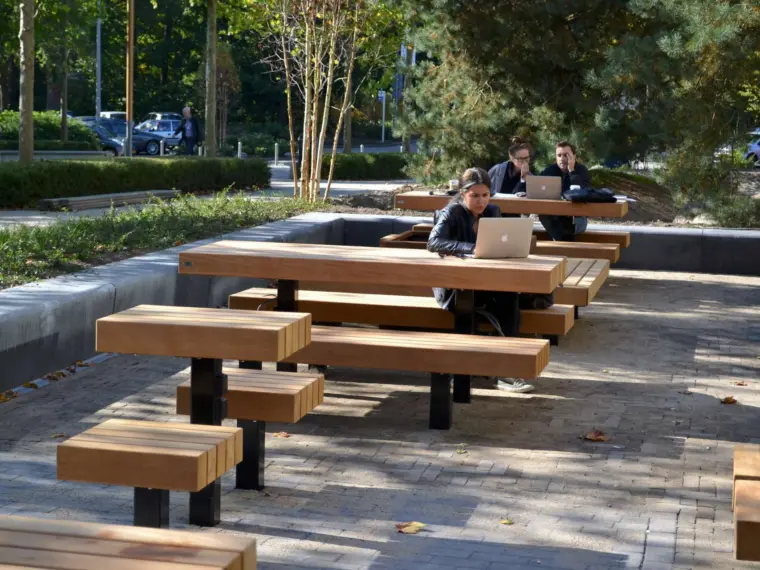
More than placing a bench
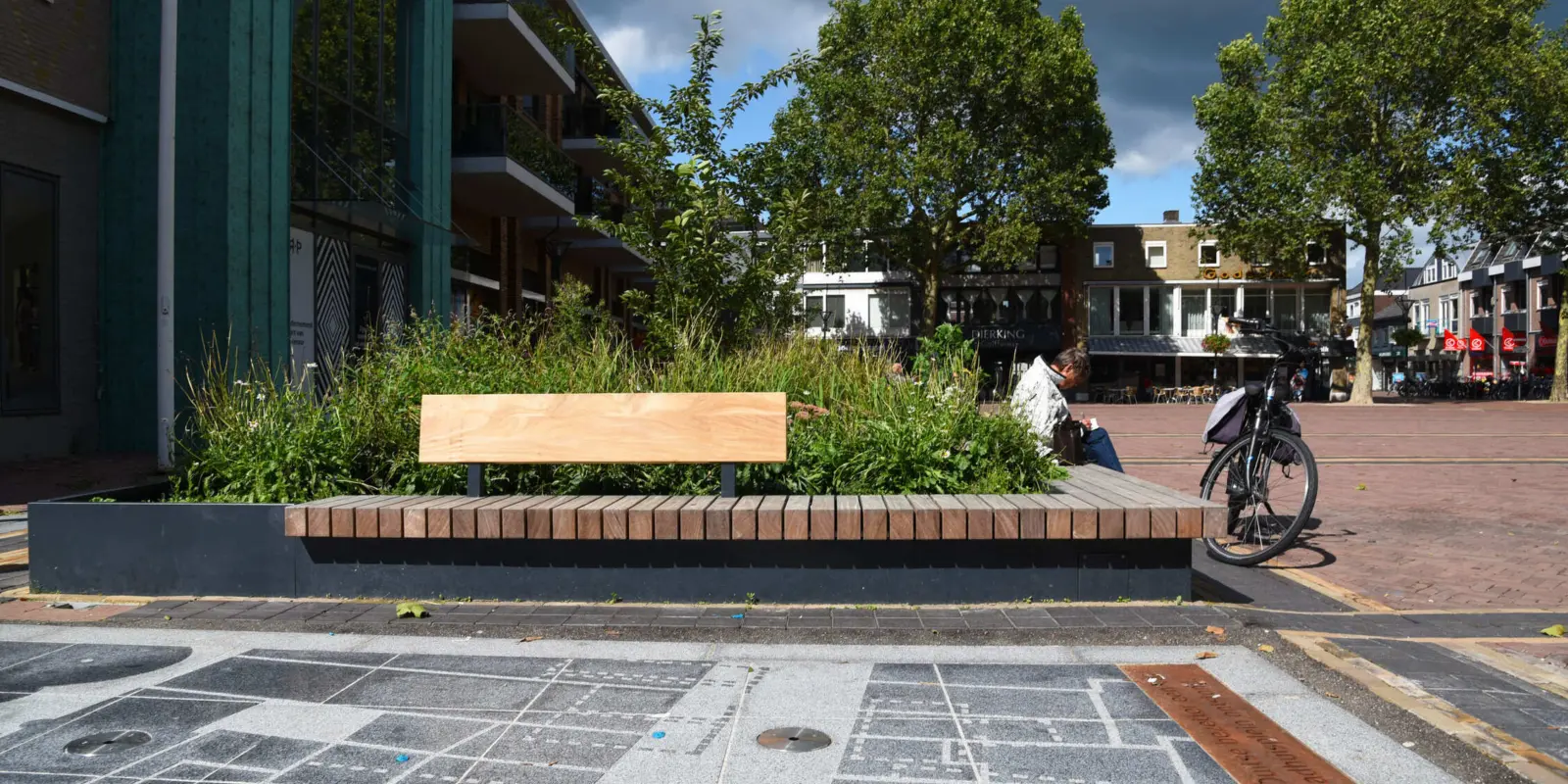
Street furniture has a major impact on the use and experience of public space. There are many different types of locations and at least as many types of seating elements. In the city, for instance, you can integrate seating in planters for a green look, or place resting points along bicycle routes. Choosing the right seating element is not so easy. In any case, ask yourself the following questions:
What do you want to achieve with seating at that location?
Seating elements can contribute to social interaction. Is that desirable or not?
A picnic table in a park encourages socialising, while a long bench at a railway station allows you to wait briefly without contact with others.
Benches facing each other invite conversation or games, while a loose bench acts as a resting point.
Safety also plays a role when choosing a location for seating elements: a well-placed bench can prevent unwanted situations and enhance social control.
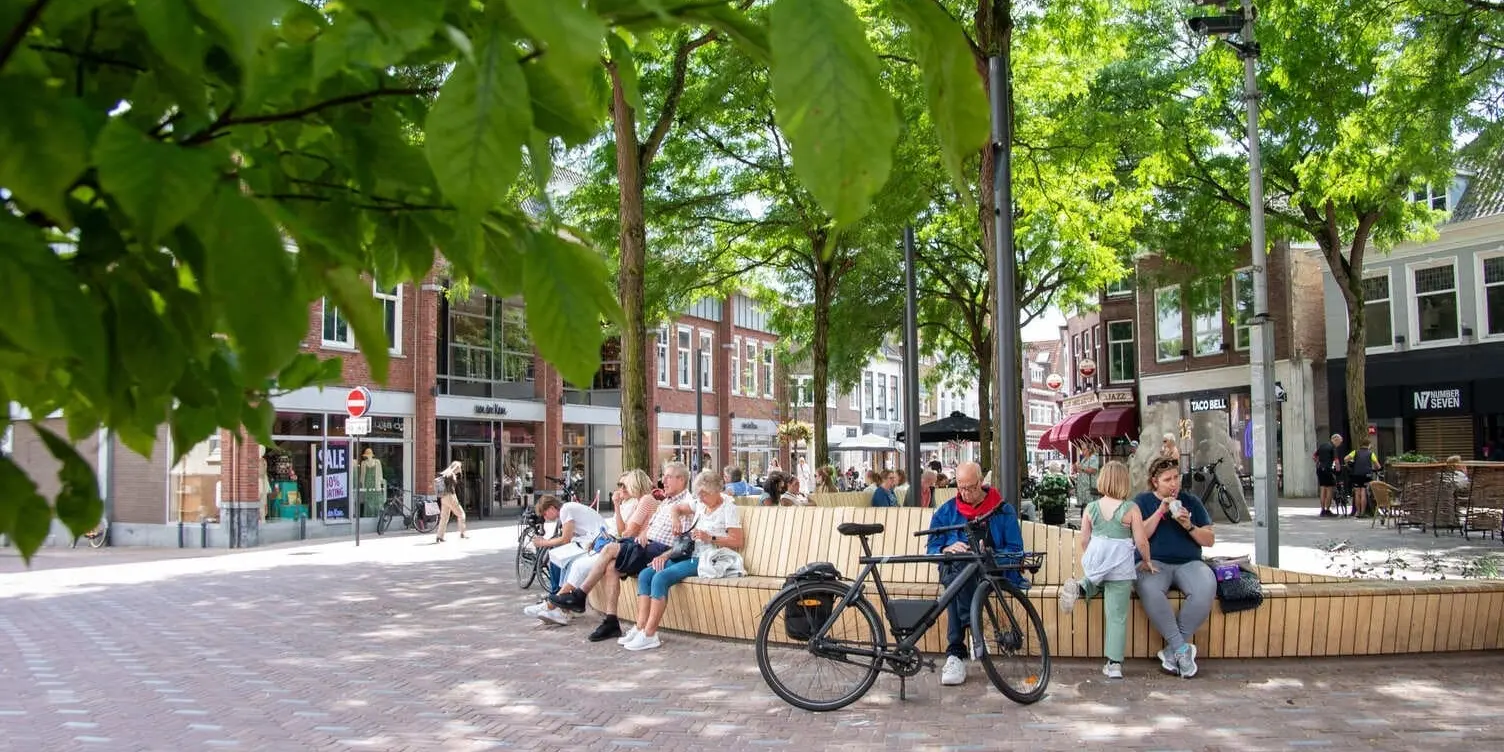

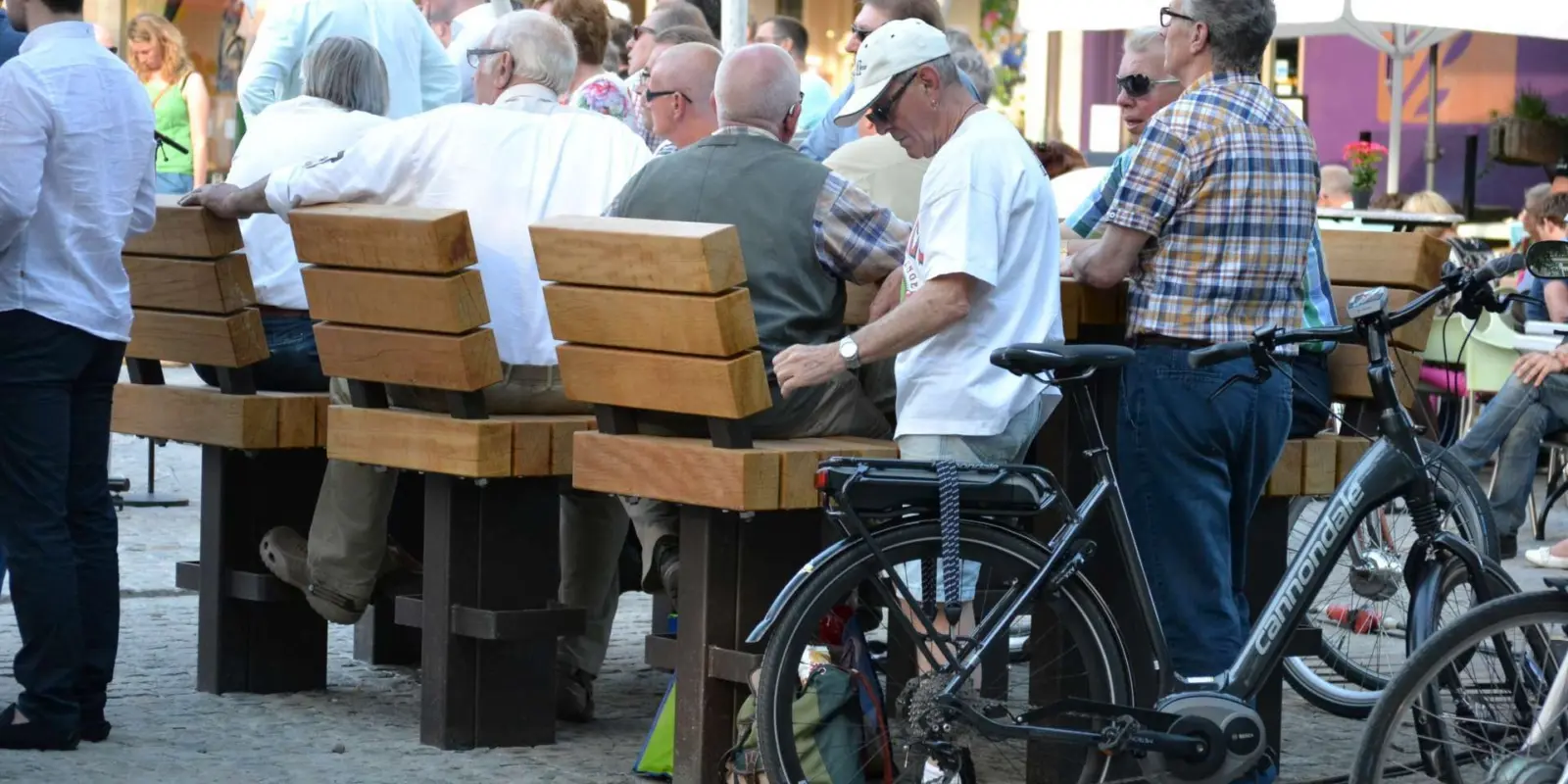

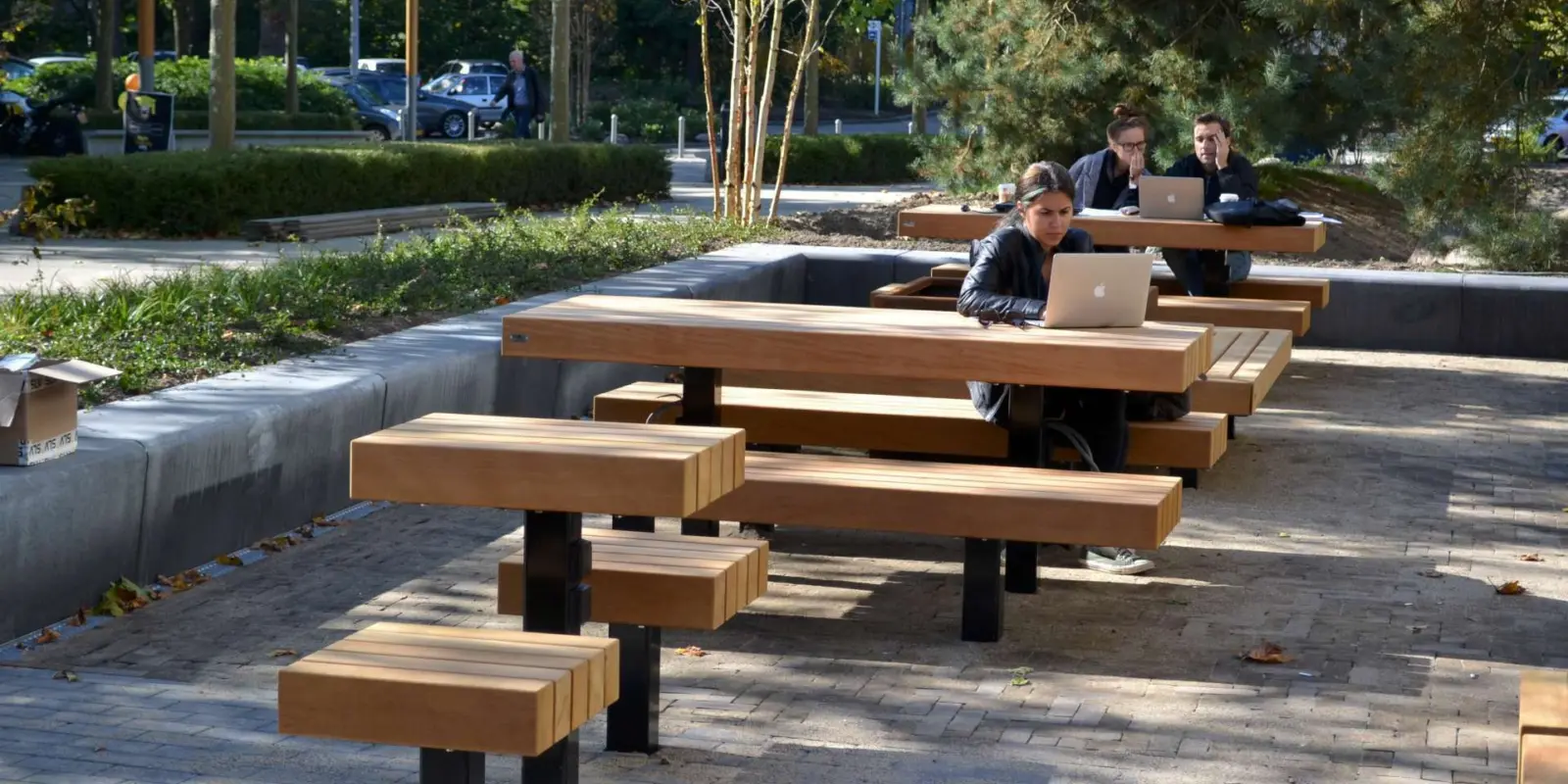
Who will use your seating elements and why?
The better your seating element fits your purpose and target audience, the more functional the furniture will be. So ask yourself:
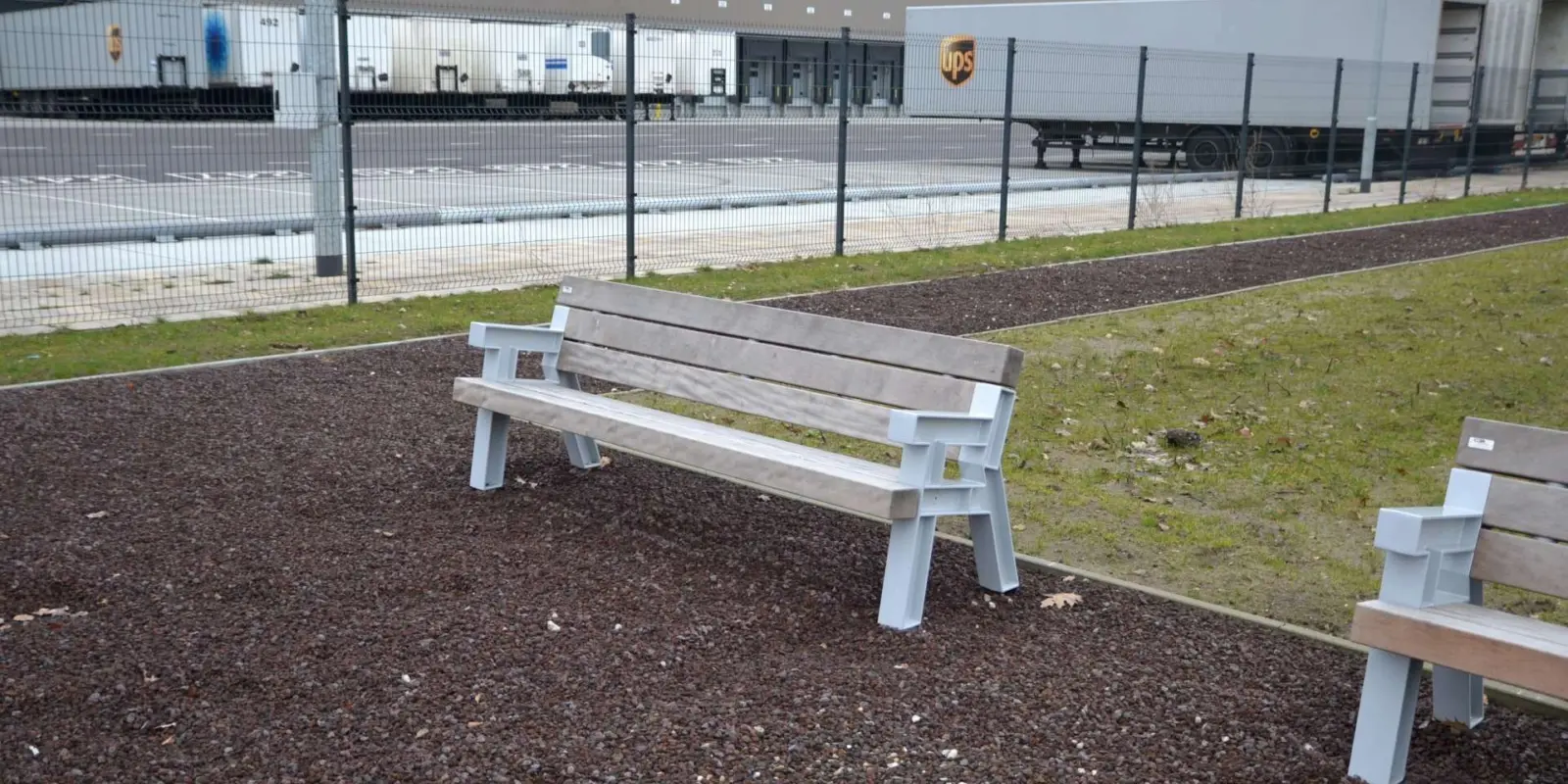
Is it an element for a short moment of use or for longer stays and is comfort therefore important? In an open park, do you want to keep the line of sight clear with open benches, or do you opt for a straight, higher bench with backrests because of the elderly in that park?
Do you want to create a lot of seating with a long bench, or would you rather encourage connection with picnic sets?
And then maintenance plays a big role. For instance, steel is quicker to clean than wood, but wood offers more seating comfort. A good balance between comfort and maintenance is essential. A bench is functional when people want to use it, but as soon as it gets too dirty, nobody sits on it anymore.
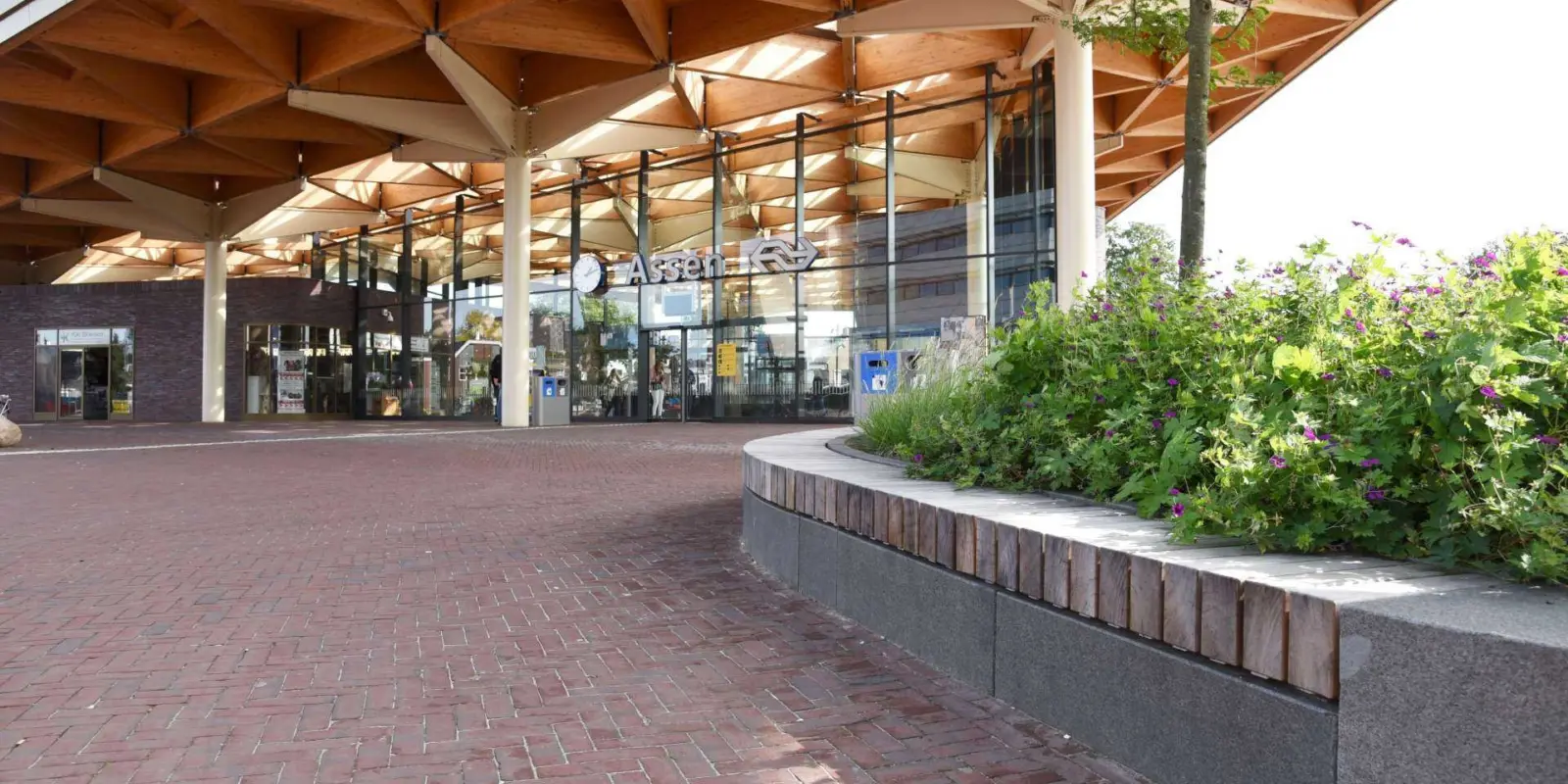

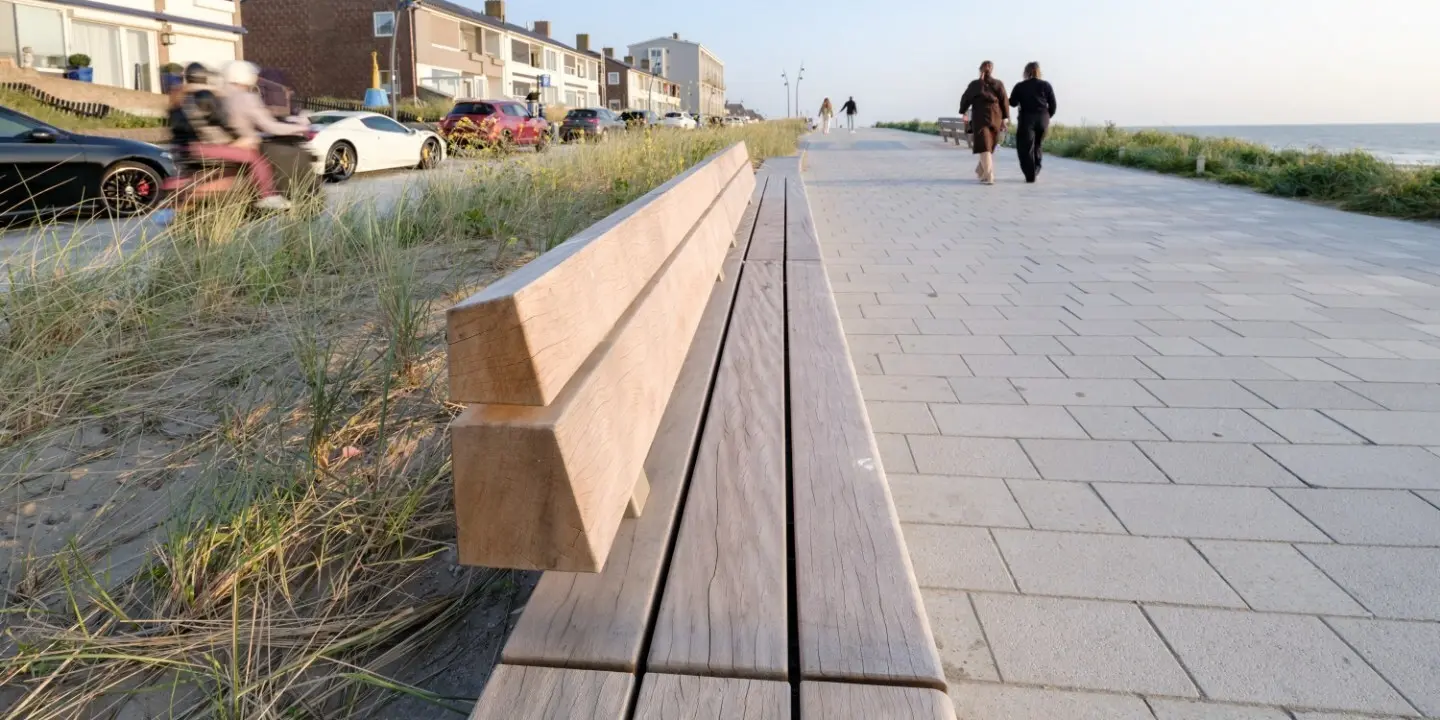

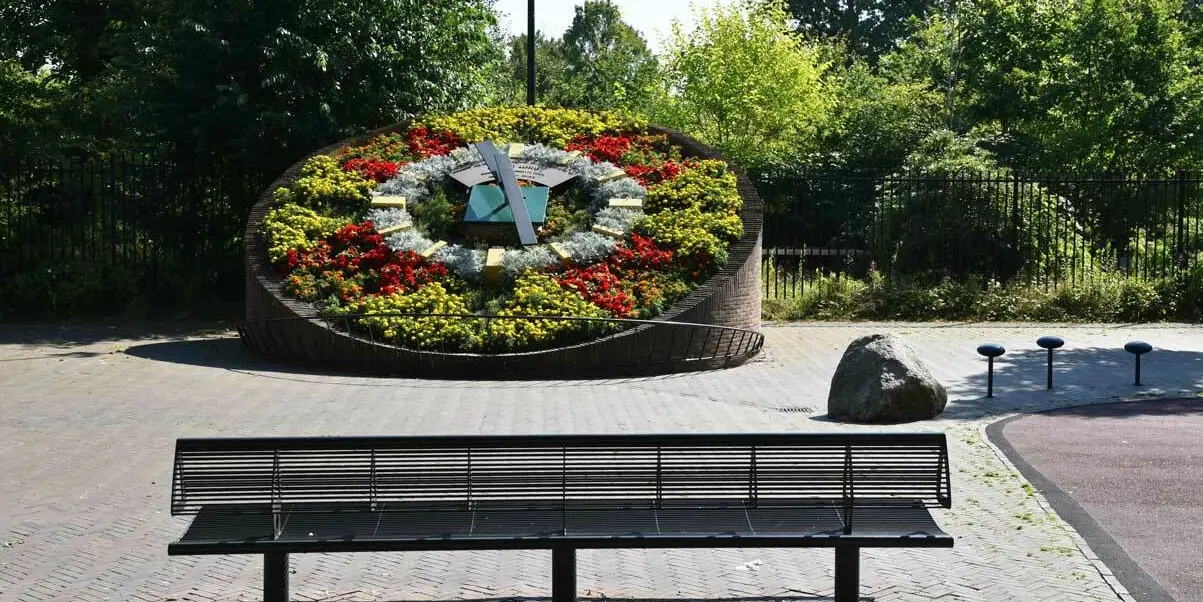
What look suits your surroundings?
Street furniture affects the appearance of the area where it is located.
A bench in a historic centre requires a different look than a seating element in a modern city park. And what about a viewpoint by the sea?
Shape, material and colour play a major role here. Should the furniture stand out or blend into its surroundings?
Wood, for example, brings warmth and a natural look, bright colours stand out, while grey steel and concrete look sleek and robust. And combining materials is also an option.
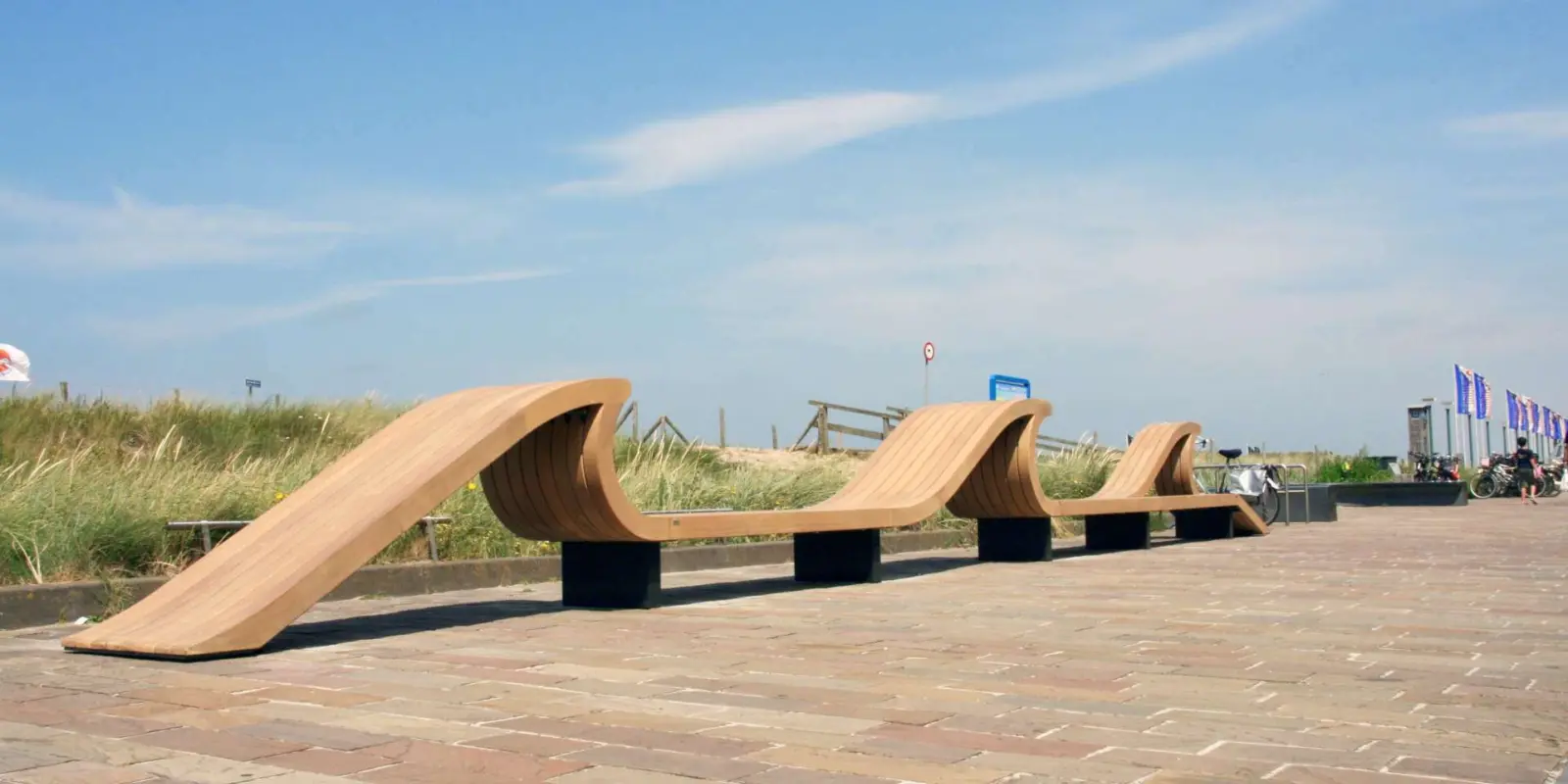


How do you choose sustainable, circular and long-term?
Actually, we should put sustainability at the top of this list. After all, it is no longer an option, but a necessity.
- Sustainability is the foundation of everything we do at Grijsen. This is why we think about: Reuse and repair of materials: our products are designed for easy repair and replacement of parts. As a result, there is no need to replace the entire product, only a part.
- Refurbished: products are given a second life with us, at the same or another location.
- Sustainable materials: such as FSC© wood and locally harvested, preserved Douglas fir.
- Smart use of materials: by working with slats instead of beams, we use raw materials more efficiently.
Checklist for choosing seating elements
Think about this when choosing seating elements:
What is the audience?
What is the purpose of the seating?
What is the ideal choice of materials?
How does the design fit into the environment?
Is social interaction desirable?
What role does safety play? How does the placement affect social control?
How vandal-proof should it be?
How sustainable is the choice? Are materials reusable, circular or repairable?
What are the maintenance requirements?
How flexible is the solution? Can the bench be moved or adapted later?


Avoid wrong investments and get advice
Curious about the possibilities for your municipality? Our advisers will be happy to think along with you.